


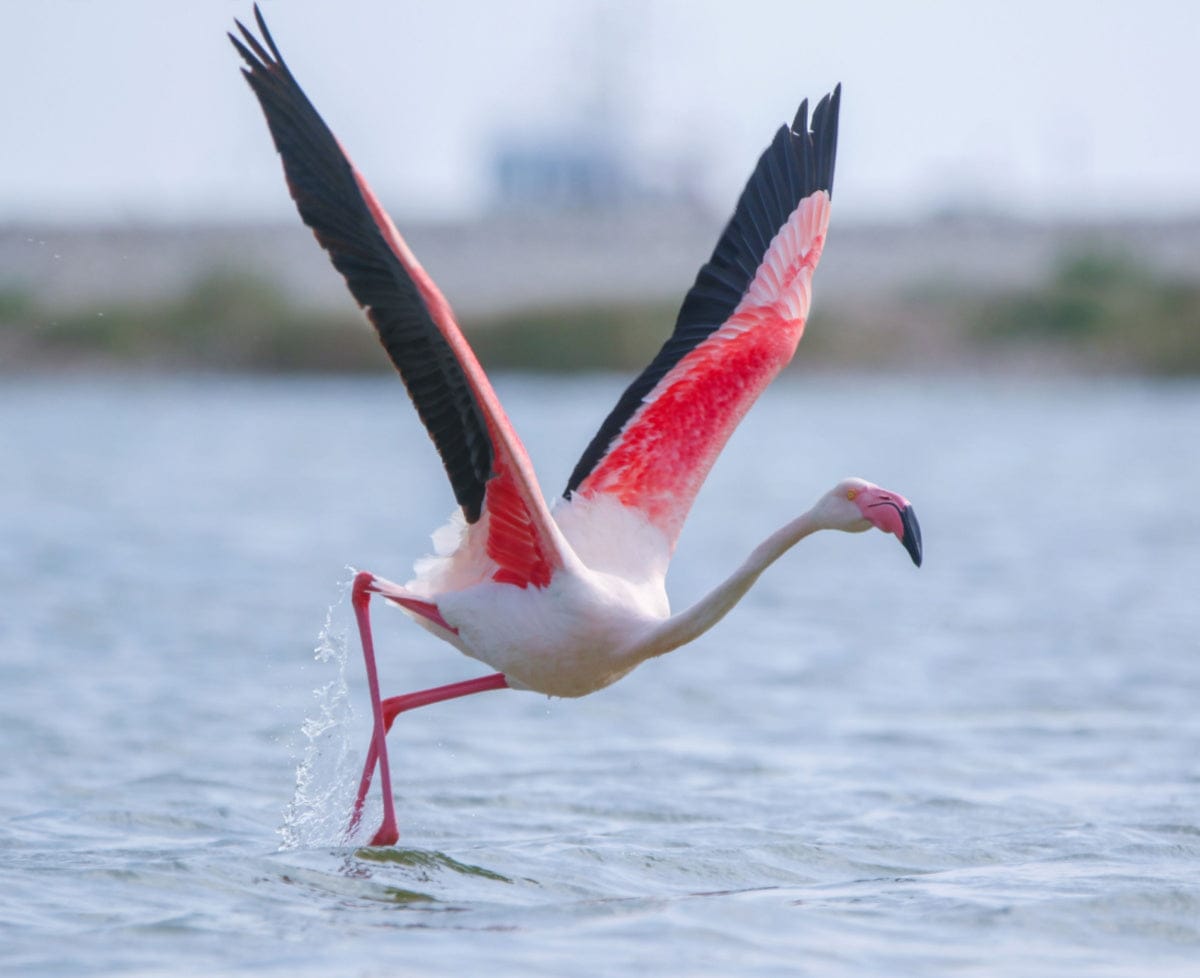
Thane Creek’s flamingo season has been part of this city’s identity for a generation. What happens when the birds decide to move on?
There is a photograph that exists in some version in almost every Mumbai birdwatcher’s archive. Thane Creek at sunrise. The water barely moving. And stretching as far as the frame will hold — pink. An ocean of pink, so dense and so still it looks like the creek itself has changed colour overnight.
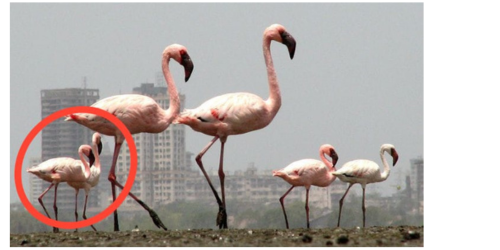
For Mumbai — a city that prides itself on absorbing everything and losing nothing — the flamingo season was one of the few things that felt genuinely irreplaceable. Not a festival that could be rescheduled. Not a restaurant that could reopen somewhere else. Just birds. Choosing this city, every single year, because something about it was worth the journey.
This year, that something seems to have shifted.
El Niño has not been kind to the shallow wetlands that make Thane Creek and Vashi habitable for flamingos. The food is not where it used to be. The water levels are wrong. The birds — and flamingos are nothing if not honest about their requirements — have started looking elsewhere.
There is no grief in this. Nature does not grieve. It recalibrates.
But for the Mumbaikars who have been making that early morning drive for fifteen, twenty, twenty-five years, there is something undeniably strange about arriving at a place you know by heart and finding it quieter than it should be. Something that sits somewhere between loss and curiosity.
The sightings near Mulund Hills are the curiosity part. Reports from birdwatchers suggest the displaced flock — or a significant portion of it — may have found a new patch of the city worth settling in. Higher. Quieter. Greener on the edges. Closer to the national park buffer where the air doesn’t carry the weight of the city quite so heavily.
If the flamingos have found something in Mulund Hills, they are telling us something about it.
They have always been better at choosing places than we are.