


As businesses continue to operate in increasingly digital environments, the way brands are built and perceived is undergoing a structural shift. What was once driven primarily by visual identity is now shaped by interaction, usability, and consistency. As per a UX ROI study by Forrester Research Every $1 invested in UX can return up to $100, making user experience one of the highest ROI investments for modern businesses.
The shift is rooted in how users engage with brands today. Rather than encountering brands through isolated campaigns or static visuals, users interact through products websites, applications, dashboards, and digital platforms that require navigation and decision-making. These interactions form the basis of perception, making UX a critical component of branding.
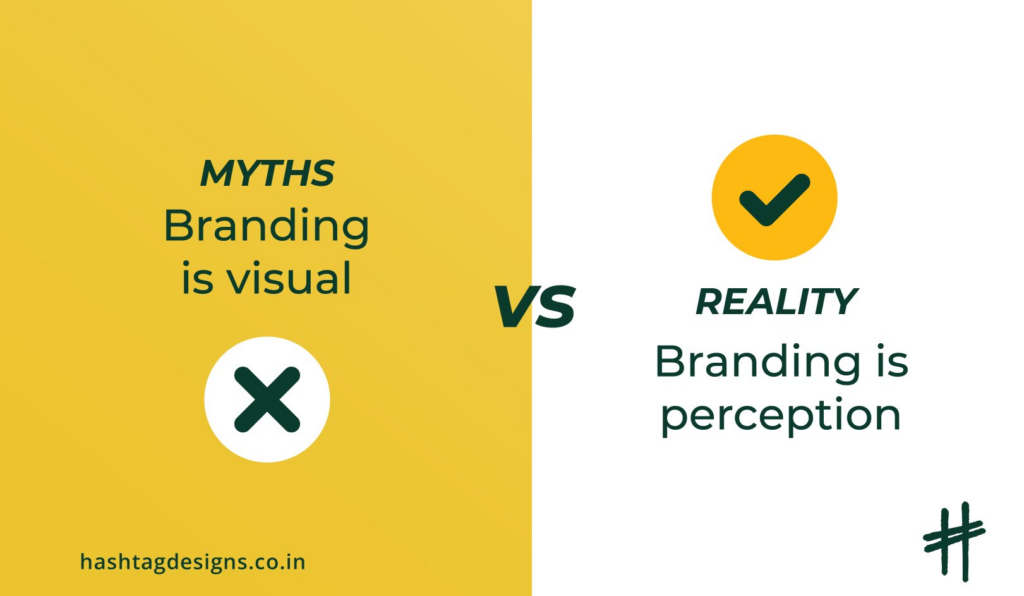
Hashtag Designs approaches branding as an experience system, where every interaction contributes to how the brand is understood. This perspective challenges the traditional view of branding as a visual exercise and reframes it as a functional, user-driven process.
Madhushree Kulkarni, founder of Hashtag Designs, explains that the role of UX in branding is often underestimated. “Most businesses still think of branding as something you see, not something you use. But users don’t interact with logos they interact with products. And those interactions define how the brand is perceived far more than visuals alone,” she says.
This understanding has led the studio to place UX at the center of its methodology. Instead of designing visuals first and layering experience later, Hashtag Designs begins by analysing how users move through a product or platform. This includes mapping user journeys, identifying friction points, and understanding where confusion or hesitation occurs.
By addressing these issues early, the studio ensures that branding is built on a foundation of usability. This approach allows design decisions to support user behaviour rather than conflict with it, resulting in experiences that feel intuitive and aligned.
One of the key challenges businesses face is the disconnect between brand promise and user experience. A brand may position itself as simple, efficient, or premium, but if the product experience does not reflect these qualities, the perception breaks down. Hashtag Designs works to close this gap by aligning UX with brand strategy.
“Branding is essentially a promise,” Madhushree notes. “But that promise is validated through experience. If your product feels complicated or inconsistent, it contradicts everything your brand is trying to communicate. UX is where that alignment either happens or fails.”
Consistency is another critical aspect of this approach. Users interact with brands across multiple platforms, and each interaction contributes to the overall perception. When these interactions feel disconnected, it creates friction and reduces trust. Hashtag Designs develops systems that ensure alignment across touchpoints, allowing users to experience the brand as a cohesive whole.
The studio also emphasizes the role of predictability in building trust. When users understand how a system works and can navigate it without confusion, it creates a sense of reliability. Over time, this reliability strengthens the brand’s credibility.
From a business perspective, this approach has long-term implications. Brands that prioritize UX are better positioned to retain users, reduce drop-offs, and create stronger engagement. As competition increases, these factors become critical differentiators.
Hashtag Designs integrates this thinking into its work with startups and growing businesses, helping them build brands that are not only visually distinct but also functionally effective. By focusing on experience from the outset, the studio enables businesses to avoid common pitfalls associated with fragmented branding.
This shift toward UX-driven branding reflects a broader industry trend. As digital interactions become central to business success, the ability to deliver clear, intuitive, and consistent experiences is becoming a key measure of brand strength.
Hashtag Designs’ approach aligns with this evolution, positioning the studio as part of a new generation of design firms that view branding through the lens of usability and interaction. By placing UX at the core, the studio is helping redefine how brands are built in a world where experience is no longer optional, but essential.
In today’s digital-first economy, brands are remembered less for what they claim and more for how they perform. Businesses that prioritise intuitive user experience, clarity, and consistency build stronger trust and lasting loyalty.
If your company is ready to create a brand that users not only notice but love connecting with, visit Hashtag Designs and discover how UX-led branding can accelerate your growth.